"The resources and privileges you were born into are gifts. You had better turn them into a responsibility for helping those born without them." Karis Tai, age 16  ·  TEDx Concordia Shanghai

The Karis Hope Fund  ·  Her Story

She became
as capable as she could.
Then she gave it all away.

This is the story of the person who inspired The Karis Hope Fund — the public charity she helped shape with her family and supporters, governed by an independent board, that backs the work she has championed and advances bold new initiatives in the same spirit. It is the story of how a child formed by rescue work in China became a Harvard graduate, McKinsey alum, founder of community programs across Kenya, and Stanford Law student now fighting cancer while refusing to stop.

Harvard '20 McKinsey Stanford Law
Shanghai Kenya Palo Alto
May 2026  ·  Diffuse large B-cell lymphoma  ·  CAR-T infusion June 3
Karis Tai

To understand the fund, start here. Karis's medical fight, her existing projects, and her future legal and justice work for vulnerable communities are not separate causes. They are one life's work — interrupted by cancer, and now held together by the Karis Hope Fund. Care. Continuity. Future.

The through-line

Karis's life has held two commitments together: to become as capable as she possibly could, and to spend that capacity on people without protection or someone in their corner.

Her story
I

The Baby
on the Plane

In the summer of 2007, Karis's father took the family on a research trip to rural China. Karis was nine years old, living in Jersey City, New Jersey. They found a baby girl at a local hospital — born under five pounds with esophageal atresia, a birth defect that would kill her without immediate surgery. Her parents, likely unable to pay, had abandoned her. The hospital, certain the baby would not survive, had set her aside to die without even issuing a birth certificate. She did not legally exist.

To Karis — a third-grade girl, nine years old — she very much existed.

In Karis's own words "Not only was she very real — I was also convinced she was meant to be my sister. Unable to walk away, we named her Anastasia, Greek for 'new life.' We got her emergency flown to Shanghai as a hail mary, uncertain if she would even survive the flight."

There was no medical evacuation plane for a baby who did not legally exist. There was only a commercial flight, a family, and an oxygen bag.

"The pilot told us, 'I cannot have a corpse on my plane.' We begged him: 'Please. This is her last shot to live.'"

During the flight, the baby started to turn blue. Karis's uncle leaned over and helped clear her airway. Against all odds, Anastasia survived.

The family returned to New Jersey, managing her care from afar. Then they took a family vote. They decided to move to China — to see the adoption through, however long it took.

"I thought I was saying goodbye to my friends and my comfortable life in New Jersey for a year. I had no idea what this journey would entail."

Karis's father took a job at a Chinese elementary school — which meant free tuition for Karis, and one immediate problem: she didn't speak a word of Chinese. She couldn't understand her teachers, had no friends, and couldn't speak to anyone. She covered her bedroom wall with post-it notes of Chinese characters and studied until she could follow a classroom, make a friend, and stay long enough for Ana to become her sister.

"That was where I learned grit — not as an idea, but as the cost of staying long enough to do something that mattered."

The legal battle to give Ana a birth certificate, a legal identity, and a family — through an adoption with no precedent — took years. It was Karis's first encounter with what the law means to someone who doesn't exist inside it, and her first understanding of what it means to be the person in the room who refuses to walk away. That understanding is why the Karis Hope Fund exists.

During these years, the Tai family came to lead the Baobei Foundation — the same organization that had helped arrange Ana's surgery — connecting orphaned infants with life-threatening conditions to surgeons and families. Karis grew up with babies in the home, infants recovering from surgery who became her foster siblings. She spent her childhood at the hospital, at the care home, watching her parents demonstrate daily that a person's resources exist in relation to other people's needs.

Over the next decade, hundreds of children were saved. And Baobei taught Karis something that would follow her everywhere: compassion without systems is not enough. A baby needed surgery — but also paperwork, transport, a legal identity, donors, and adults willing to stay through the bureaucracy until the child existed on paper. That lesson is the invisible thread connecting Baobei to Wezesha to Stanford Law to the cancer-rights work she is helping bring to Stanford now.

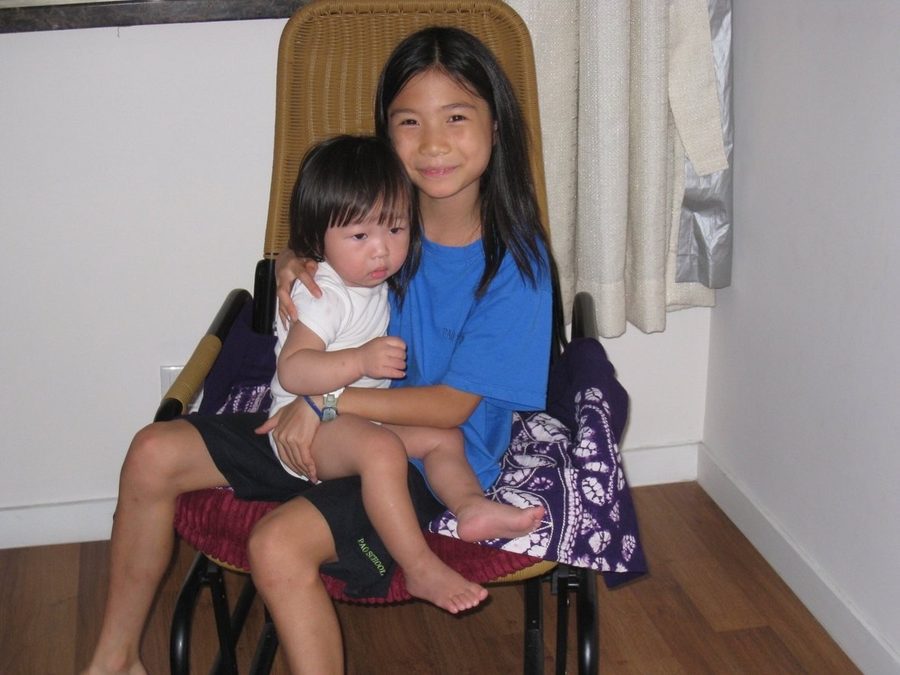
Young Karis holding her baby sister Ana
II

What She Said
at Sixteen

At sixteen, Karis stood before two hundred international school students at a TEDx event in Shanghai and said the thing most privileged communities prefer not to say plainly.

She told them about a farmer in rural Anhui — a man left disabled after a workplace accident, with a fifth-grade education and almost no options. His son could ace every math test and might never go to college. Then she looked at the audience — children of diplomats and executives — and said: most of you will live a good life even if you fail every math test you take. That gap is not fair. And it is not someone else's problem.

"The resources and privileges you were born into are gifts. You had better turn them into a responsibility for helping those who were born without them."

She was not asking her classmates to feel guilty. She was asking them to become responsible. She was sixteen. She had already been living this conviction for years. Concordia International School Shanghai awarded her its first-ever leadership scholarship. She was student body president and editor-in-chief of the school magazine. Harvard called her before admissions decisions were sent — personally, to say they believed in her vision. She chose Harvard in part because of that call, and in part because they offered financial aid that made it possible.

From the beginning, she understood that capability was not opposed to purpose. Capability was in service of purpose. The more she could learn and build, the more she could give away.

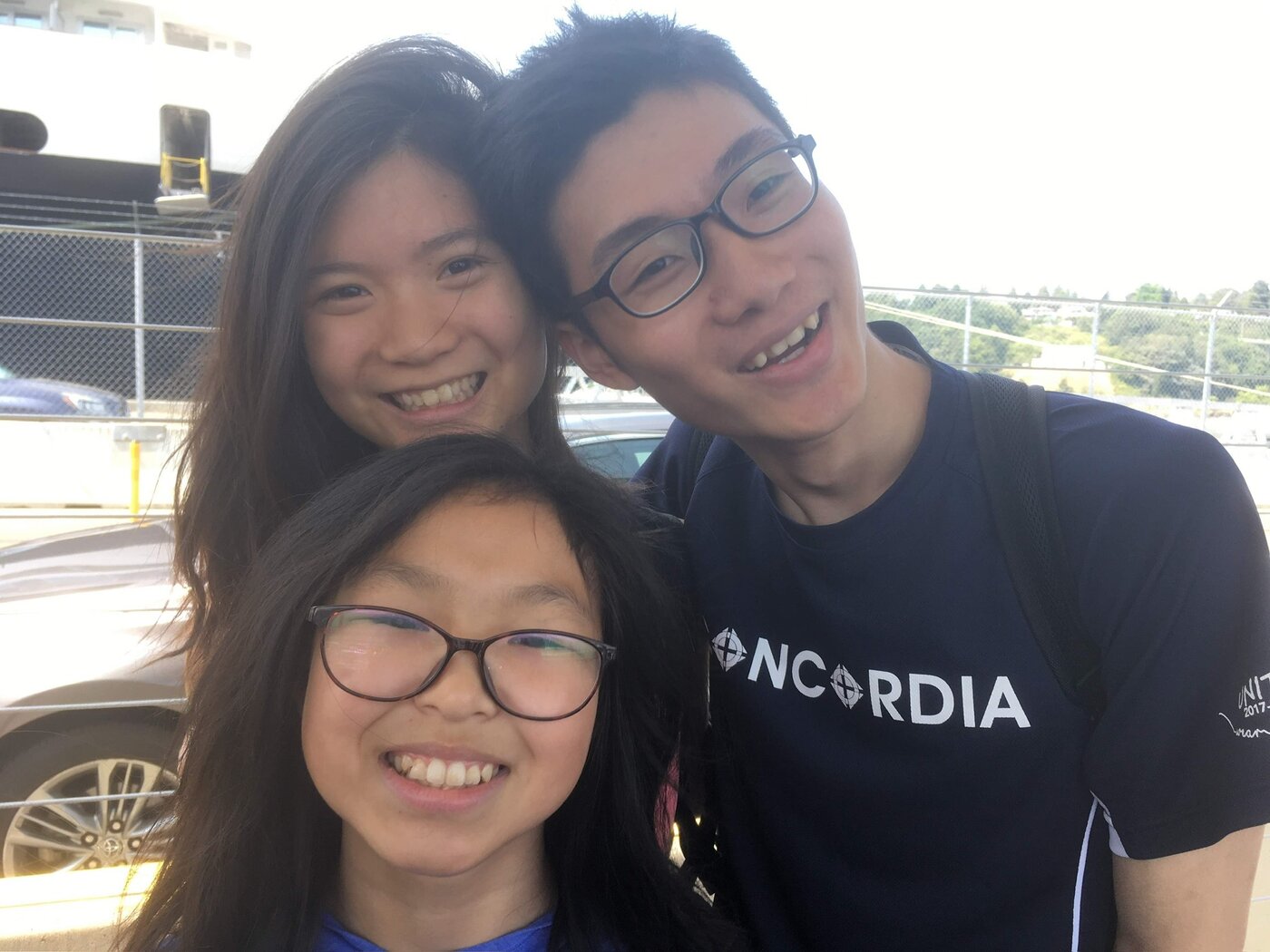
Karis as a teenager with her sister Anastasia and a friend wearing a Concordia shirt
III

A Different Kind
of Ambition

At Harvard she studied sociology — the discipline of understanding why inequality exists and how it sustains itself. She learned to map systems: who they include, who they exclude, and where the pressure points are. She pursued Harvard and then McKinsey not to leave this work behind, but to understand how systems actually function — and why they fail.

After graduation, McKinsey recruited her. In her first interview, she told them something most candidates would never say: that her purpose in joining McKinsey was to use their platform for good. She chose projects accordingly — government clients improving COVID vaccination distribution, infrastructure work, cash assistance programs. She was not only moved by broken systems. She was learning how they are financed, managed, measured, and redesigned.

But Karis did something most McKinsey analysts would never do. Between engagements, she took unpaid leave — weeks, sometimes months — to pursue her own work. Not as a side project. As a parallel life.

She found the two sides of herself and refused to let either one wait for the other. This was not balance. It was both, fully alive, at the same time.
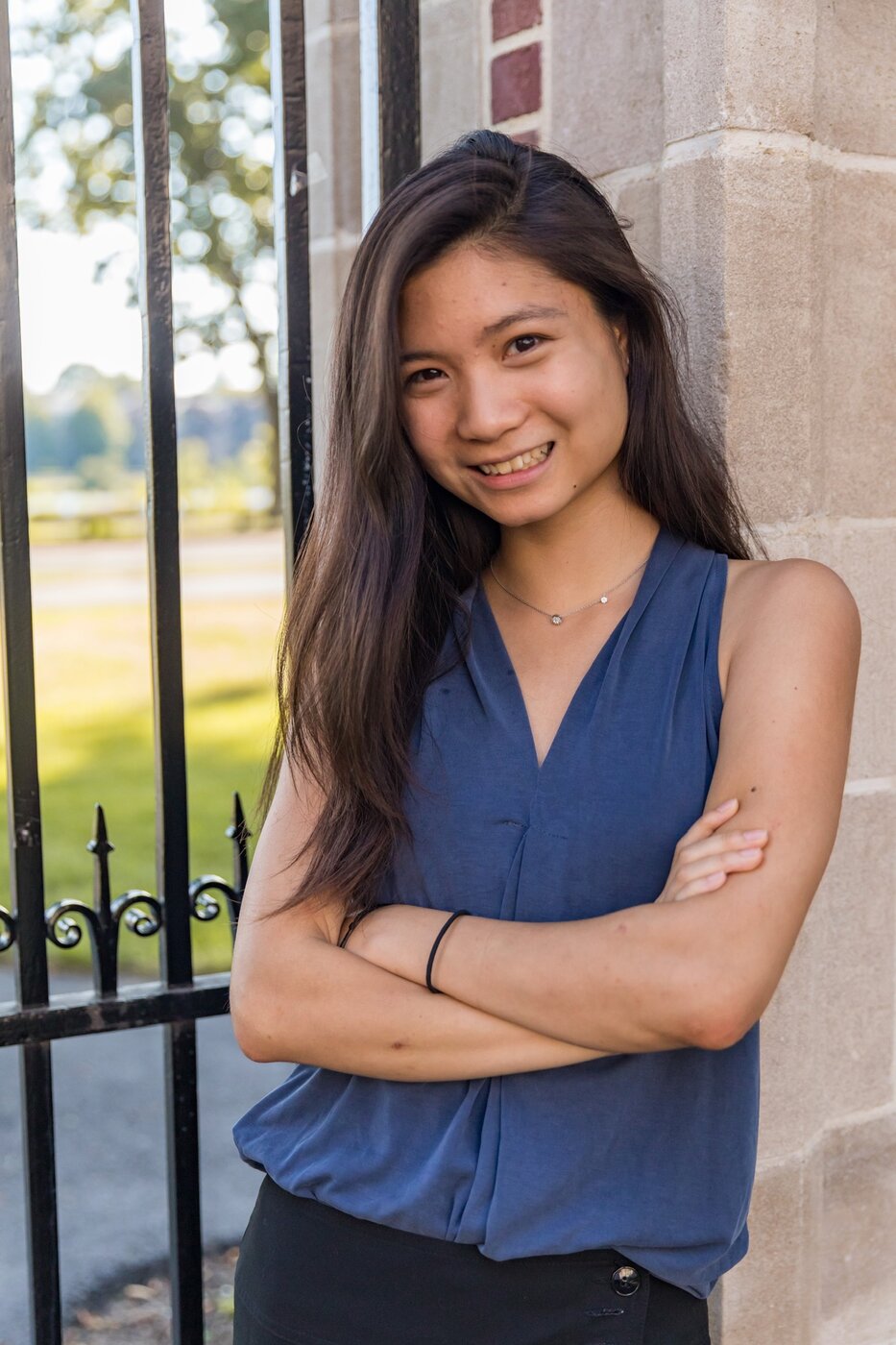
Karis as a Harvard undergraduate, leaning against a stone gate
IV

Three Months
in Kenya

In the fall after COVID, Karis took three months of unpaid leave from McKinsey and traveled to Kenya with family friends — people connected to the Baobei world who were doing community work in Kasarani, an informal settlement on the north shore of Lake Naivasha. She went to understand what "help in the trenches" actually looked like.

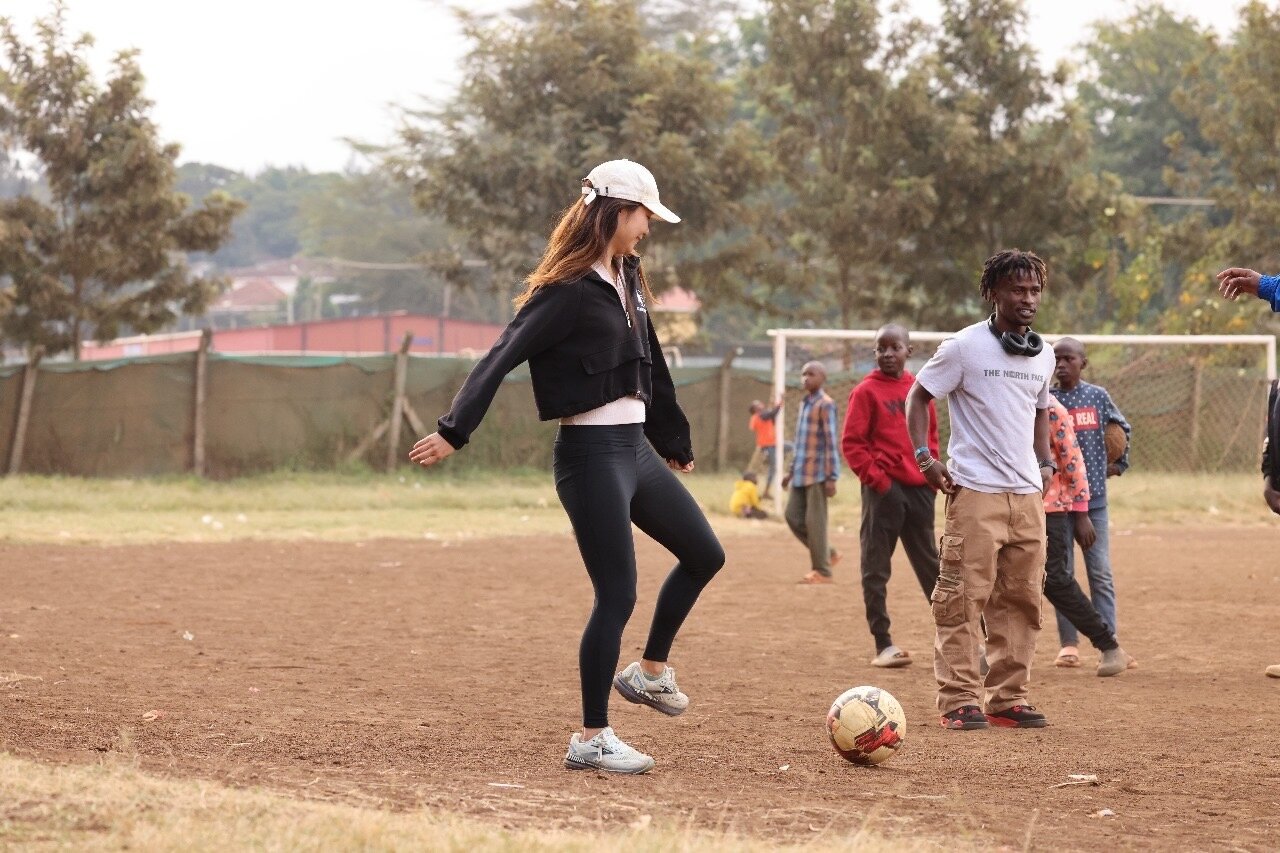
She found TAFA — the Talanta Africa Football Academy — founded by Sammy Kamau, Eric Ochieng, and Judy Akoth — three people who had grown up in Kasarani and decided to do something about what they had witnessed. Judy later passed away, and her memory lives in the work that continues. TAFA used football as a platform: youth who stayed in school and stayed off drugs could participate; through that structure they received mentorship, tutoring, skills training, and a sense of belonging. It was already working. It needed infrastructure.

Karis got involved. She helped TAFA set up proper accounting systems and organizational structure. Then she returned to the United States and did something that revealed exactly how she thinks: she founded a US-registered 501(c)(3) — the Talanta Africa Fund — specifically to create the institutional infrastructure to raise American dollars for work that mattered in Kenya. She remains a board member and major donor.

Through the Talanta Africa Fund, more than 100 students now have scholarships. She then went back to McKinsey.

Karis playing soccer on a Kenyan dirt field with TAFA youth and staff
V

What She
Built

On a subsequent trip back to Kenya, Karis assembled a team. Not a team of outside experts parachuted in with answers — a team assembled specifically to ask a question. The members included Rachel, a missionary who had previously founded a university in Uganda; Moses, a medical doctor and clinical psychologist practicing in Nairobi; members of the Brookhart family who had traveled with her; and the leaders of TAFA themselves. Then Karis ran a brainstorming process with a single question at the center: what does Kasarani most need?

The answer came from the Kenyans in the room. "We want the education resources that rich kids get. We want the same."

Out of that answer came Wezesha. Not a school — the students would stay in the local government schools, because pulling them out would create two tiers and disempower the institutions those communities depend on. Instead: an education center. A safe place to do homework. Teachers to fill in the gaps that the underfunded government curriculum left. Food, because many of the children were malnourished. And the structure of a family — for children whose own family situations were often deeply difficult.

The team rented a facility, renovated it, hired a director, hired teachers, and identified dozens of the most vulnerable students in the community — children who would not otherwise be able to attend school at all. Karis donated much of the initial funding herself and brought others into the story. The organization was operational within weeks.

Wezesha Outcomes — 2024–2025

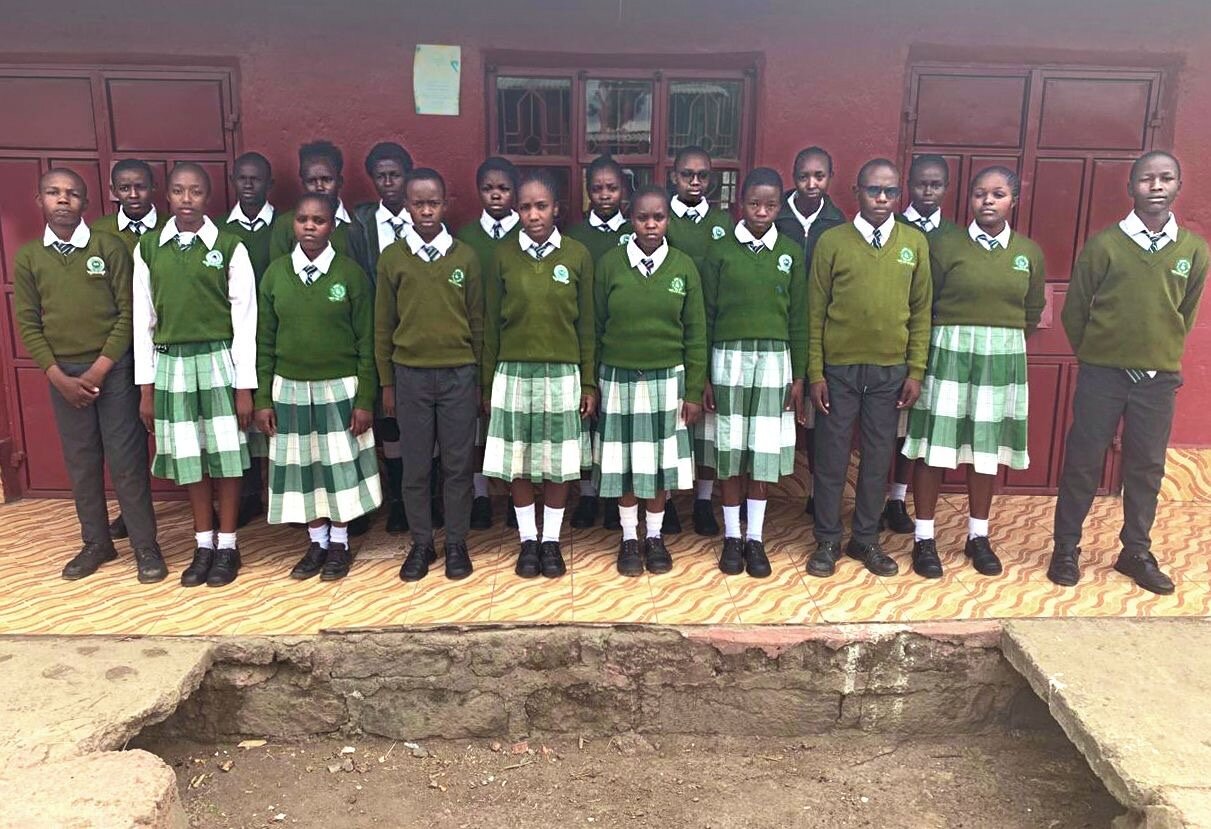
In every grade Wezesha serves — 6th through 11th — the top student at Loldia Primary School and St. Andrews High School is a Wezesha student. In some grades, the top two or three are.

These are the most disadvantaged, most vulnerable students in the community — many of whom could not have attended school at all without Wezesha. They are now the highest-performing students in schools of thousands.

Then there was the mental health dimension. One of the team members Karis had invited to co-lead the project had her own history with mental health difficulty. Together, they recognized something: if children growing up with resources in the United States struggle with mental health — and they do, visibly and urgently — what must children living in poverty in Kasarani be carrying? And what infrastructure existed to help them? None.

So Wezesha hired two clinical psychologists, Sarah and Faith, and established a free mental health service for children in the community. Every Wezesha student participates in some form of therapy. It is, to the knowledge of everyone involved, the only program of its kind in Kasarani.

Karis also built a third strand: a beekeeping and honey enterprise for women in the community — recruiting women, bringing in beekeeping expertise, building hives, creating products including pure Kenyan honey and lip balm for the US market, and designing an economic livelihood model that gives women income and independence. She called it Bee the Change. She went back to McKinsey.

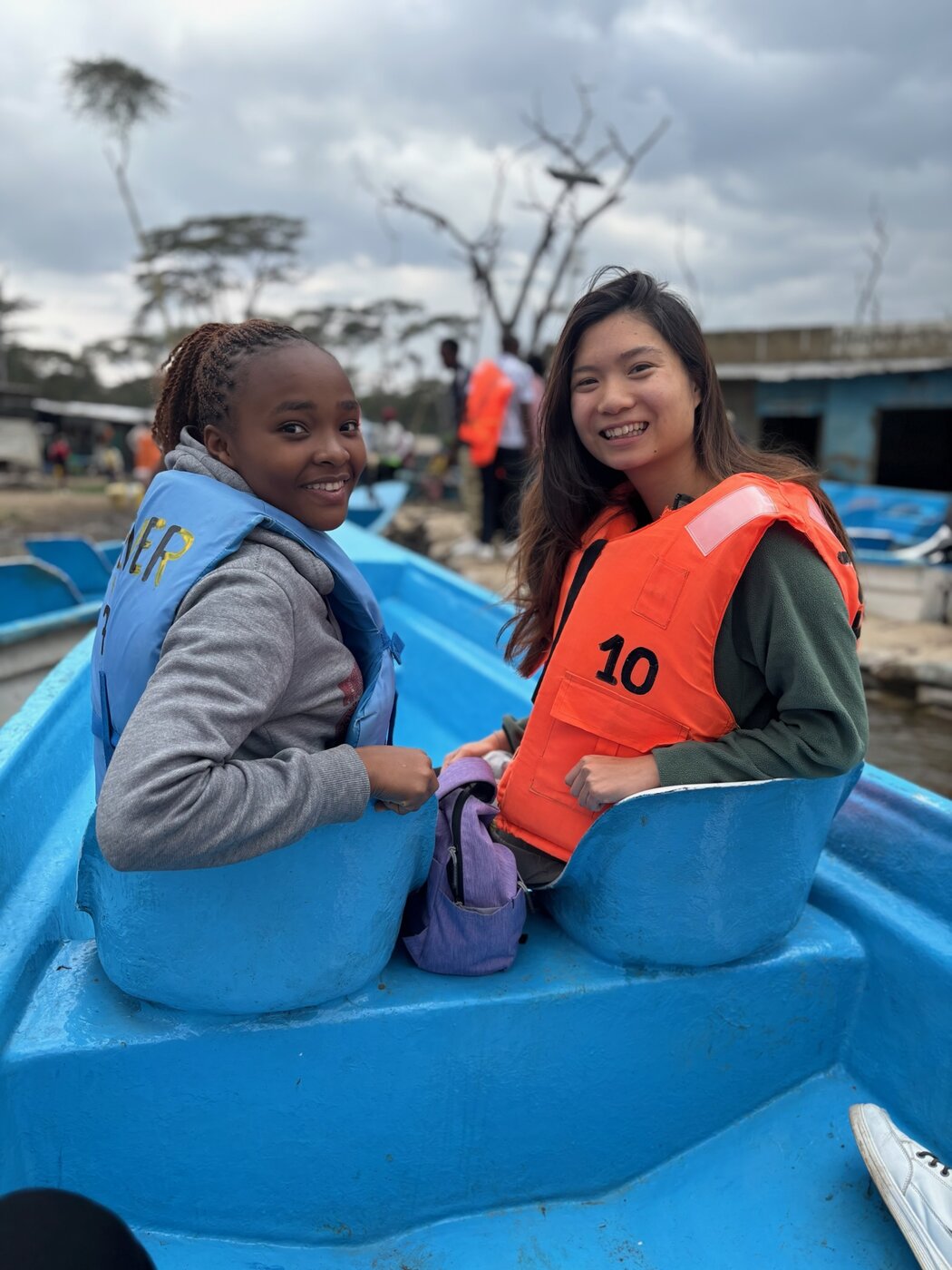
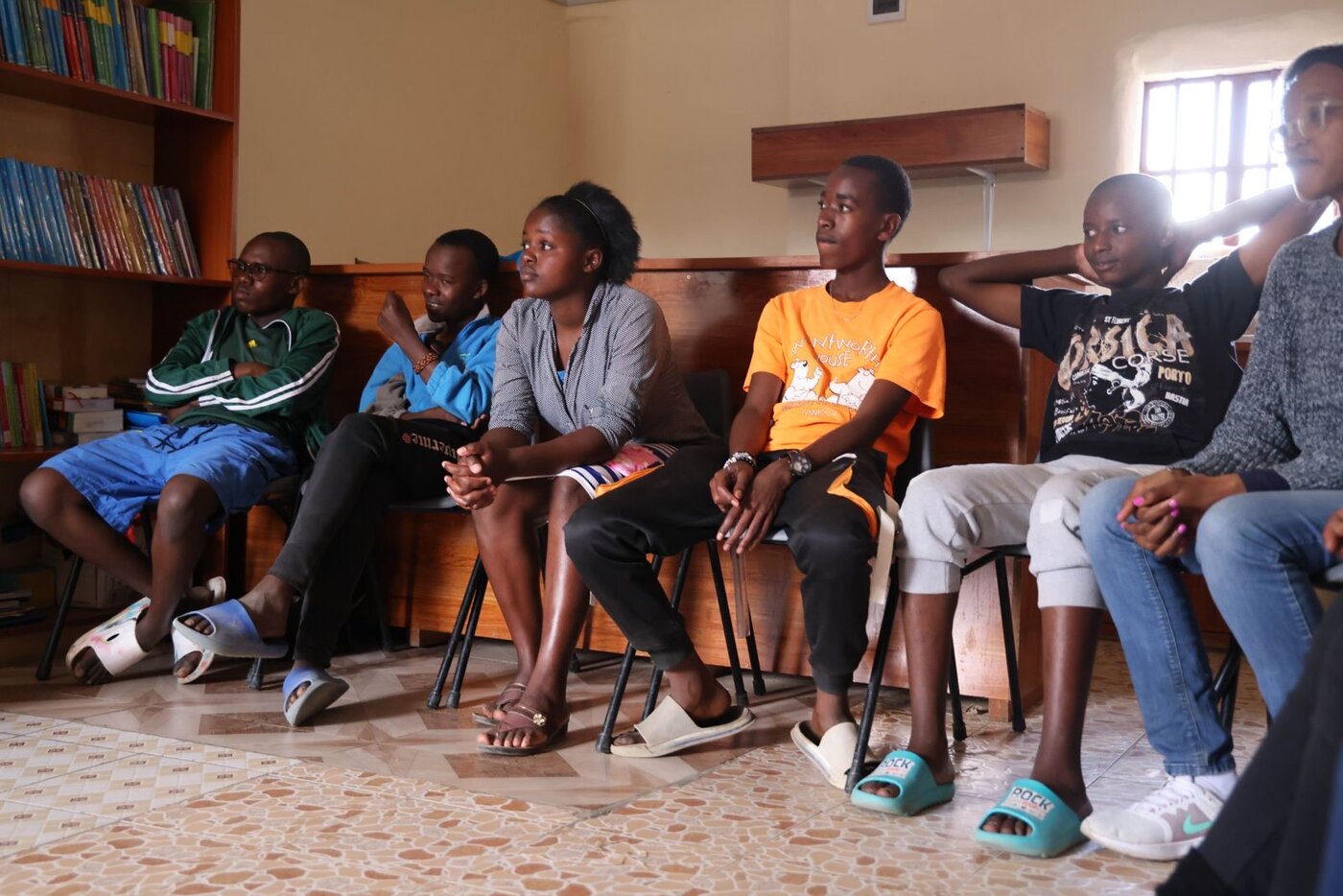
Wezesha students in school uniforms outside the education center in Kasarani Karis with a friend at Lake Naivasha during her Kenya work Kenyan youth at a Wezesha mentorship session

Today, Karis starts every morning with dozens of WhatsApp messages from her Kenya teams. She replies from wherever she is — a Palo Alto apartment during treatment, between medical appointments. She is on calls across time zones that don't line up neatly with California. She lives on Zoom.

These are not memories. They are active commitments — the kind of work the Karis Hope Fund was created to back.

VI

Night Court

Back in New York, on Friday nights, Karis sat in the third row of New York City arraignment court at 11 PM. She went to watch, to learn, to understand what the law looks like from the other side of it.

One night, a public defender stood up and said: "Everything he owns is currently sitting by a bush in the park. Your Honor, if you set bail, he will lose everything." Karis sat with the full weight of that sentence. She was drawn not to clean moral categories, but to the person who falls through every framework — the person who needs someone in the room.

She wanted to become a public defender. Stanford Law School accepted her.

Then, in December 2025, at 27 years old — previously healthy, studying for her first law school finals — she was diagnosed with diffuse large B-cell lymphoma, an aggressive blood cancer.

She had spent a decade building toward this — the legal tools to close the gap between rights and reality. The diagnosis arrived in the middle of all of it.

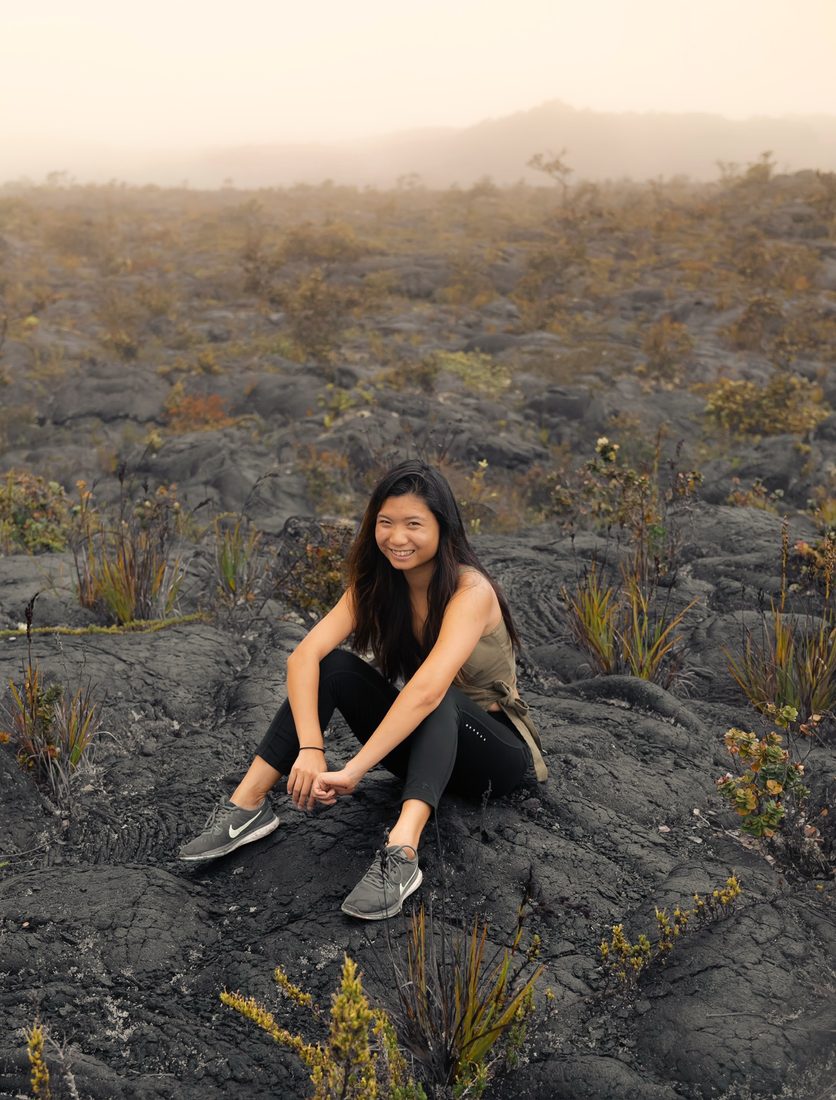
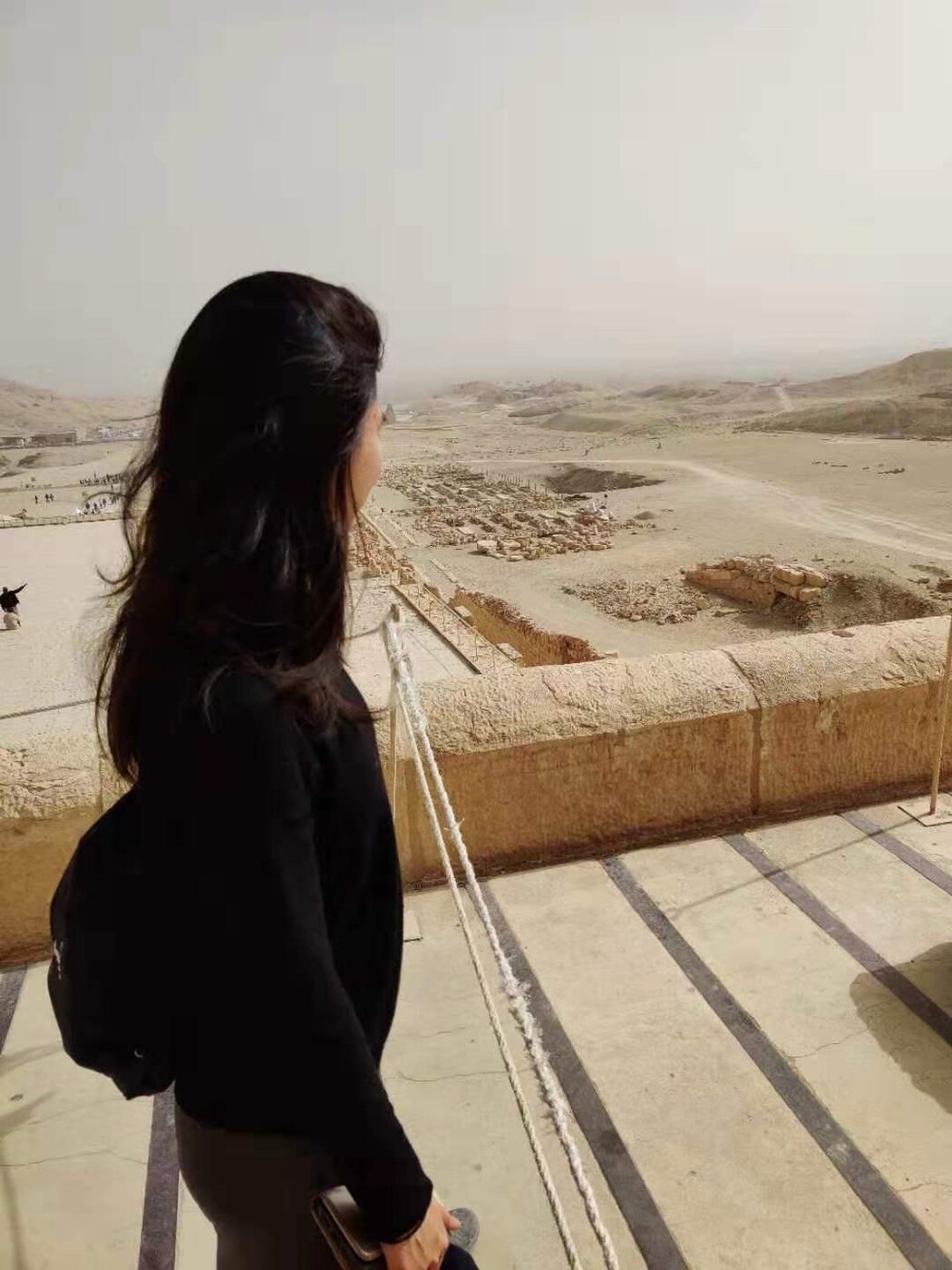
Karis looking out across an ancient ruined landscape, alone with the weight of what is ahead
VII

What She Does
Between Rounds

During treatment, Karis has had windows when she is too sick to do anything — and windows when she can think and work again. In those windows, she goes back to the work. Not because she has to. Because she cannot stop.

She is on WhatsApp with her Kenya teams before most people are awake. She is on calls with Rachel in Kasarani, with Moses, with the TAFA leadership, making decisions about programs, answering questions, keeping things moving. She is helping shape a Worker Justice partnership in Naivasha — working alongside a Stanford Law professor to identify the right partner organization to bring legal protections to flower-farm workers. She is in early conversations to bring cancer-rights legal navigation to Stanford. She is doing the work she has always done, from a recovery window between treatments.

"Later, when I became sick, I found myself on the opposite side of that divide. The difference was not only the quality of care. It was access itself."

That divide — between people who have access and people who don't — is what Karis Tai has been trying to close since she was nine years old on a plane with an abandoned baby. She is enrolled in the KITE-753 clinical trial. Her treatment path continues to evolve as trial results come in. She is on a call with Kenya. She is doing both, right now, because she has always done both.

Karis with arms raised in joy on a forest path, alive between rounds of treatment
May 2026  ·  Active  ·  Now

The clinical trial is underway.
Wezesha students are at the top of every grade.
This is all happening right now.

KITE-753 infusion June 3  ·  Wezesha & TAFA active  ·  Stanford Law  ·  Worker Justice in formation

Everything described on this page is continuing. Not paused. Not on hold. Karis's life inspired the formation of The Karis Hope Fund — a public charity governed by an independent board, advancing education, justice, and dignity for vulnerable people, in the spirit Karis has lived. She helped shape it with her family and supporters. She serves as one of six directors. The Fund is the structure her family and friends and colleagues built around her work because the work is too important to depend on one person, no matter how remarkable.

Karis has always refused to choose between being as capable as possible and giving everything away. The Karis Hope Fund is the way those of us who believe in that refusal can stand behind it.

Karis has spent her life turning capability into responsibility. The Karis Hope Fund is how a community of people who believe in that vision can carry it forward together.