"The resources and privileges you were born into are gifts. You had better turn them into a responsibility for helping those born without them."
Karis Tai, age 16 · TEDx Concordia Shanghai
This page is about the work the Karis Hope Fund supports and is developing — established Kenyan organizations doing education and mentorship for vulnerable youth, new initiatives advancing legal protections for workers and cancer patients, and the broader access-to-justice work the Fund's longer horizon takes on. Each section describes the organization or initiative, what it does, and how the Fund is involved.
The Karis Hope Fund makes grants to qualifying charitable organizations and develops new charitable initiatives across three areas: Education & Mentorship, Justice, and Dignity. The board decides every grant. Donations are tax-deductible to the extent allowed by law (federal recognition pending). Allocations are reported transparently.
Grants supporting community-based education and mentorship for vulnerable youth in Kenya, with a focus on programs that combine academic support, character formation, and economic mobility.
Grants and direct charitable initiatives advancing legal advocacy and access to justice for workers, women, and other underrepresented people — bringing legal protections within reach of communities the formal system tends not to serve.
General unrestricted grants directed by the board, in the spirit of Karis Tai's values, supporting organizations and causes advancing the dignity of vulnerable people — wherever the board identifies need and opportunity.
Donors give unrestricted or to a specific area. Every restricted gift is honored for its designated purpose.
Grants and outcomes reported to donors — by category, amount, and recipient organization.
A note on how the Fund works: The Karis Hope Fund is a charity, not a personal fund. It does not pay any portion of Karis's personal expenses, including medical care, and does not pay Karis or any director. Every gift goes to its charitable mission — grants and direct initiatives in education, justice, and dignity. See how to give →
Two established Kenyan organizations doing community education and mentorship for vulnerable youth. The Hope Fund supports their ongoing programs through grants. Karis has been part of both for years — as co-founder, advocate, and volunteer — and continues to volunteer with them today.
The work that formed her. Not a Hope Fund grantee.
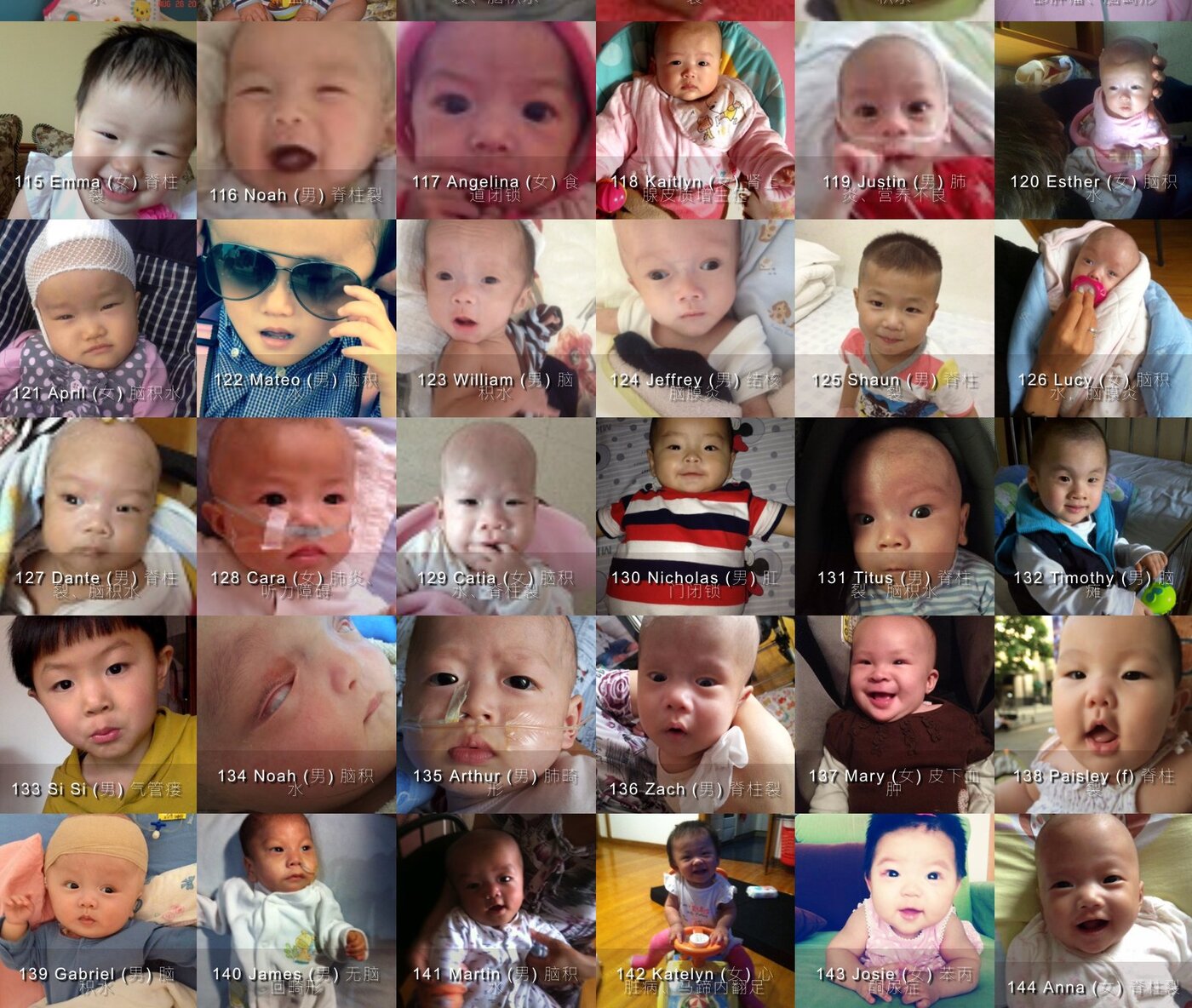
Karis's parents gave up their careers and income to move to Shanghai and run a foundation for orphaned infants with life-threatening birth defects — on no salary at all. Karis grew up inside it. By twelve she was managing donors from every continent, navigating orphanage bureaucracies in Mandarin, and translating between rural villages and international philanthropists.
One of those babies was Ana — left abandoned at 4.9 pounds in a rural hospital with no birth certificate and no legal existence. Karis was nine years old, on the flight to Shanghai. Ana survived, was adopted, and is Karis's sister. Ana's story is the foundation of everything Karis has done since: the night court in New York, the work in Kenya, the legal proposal she wrote during chemotherapy.
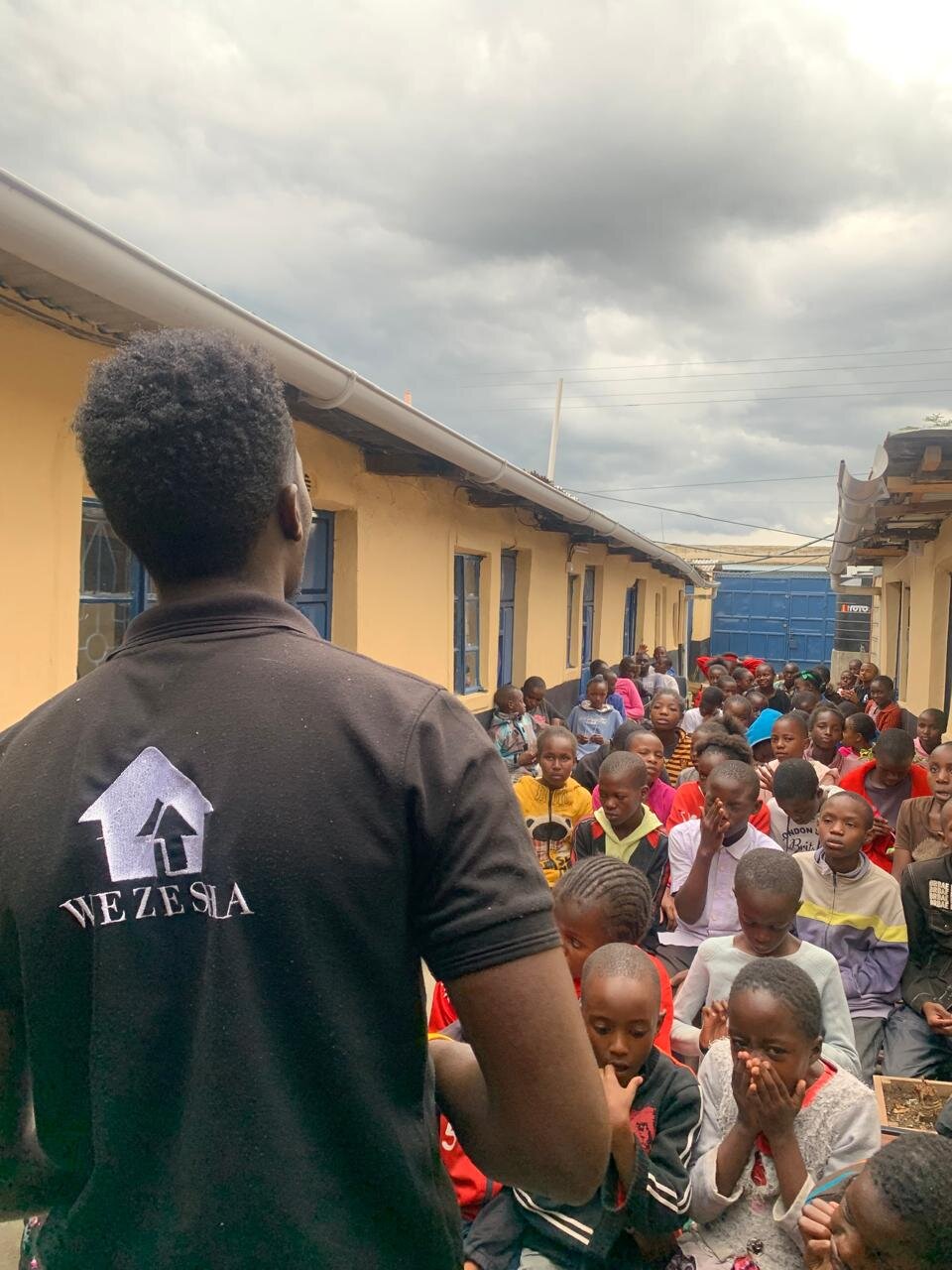
A Kenyan registered CBO doing community education and mentorship for vulnerable youth.
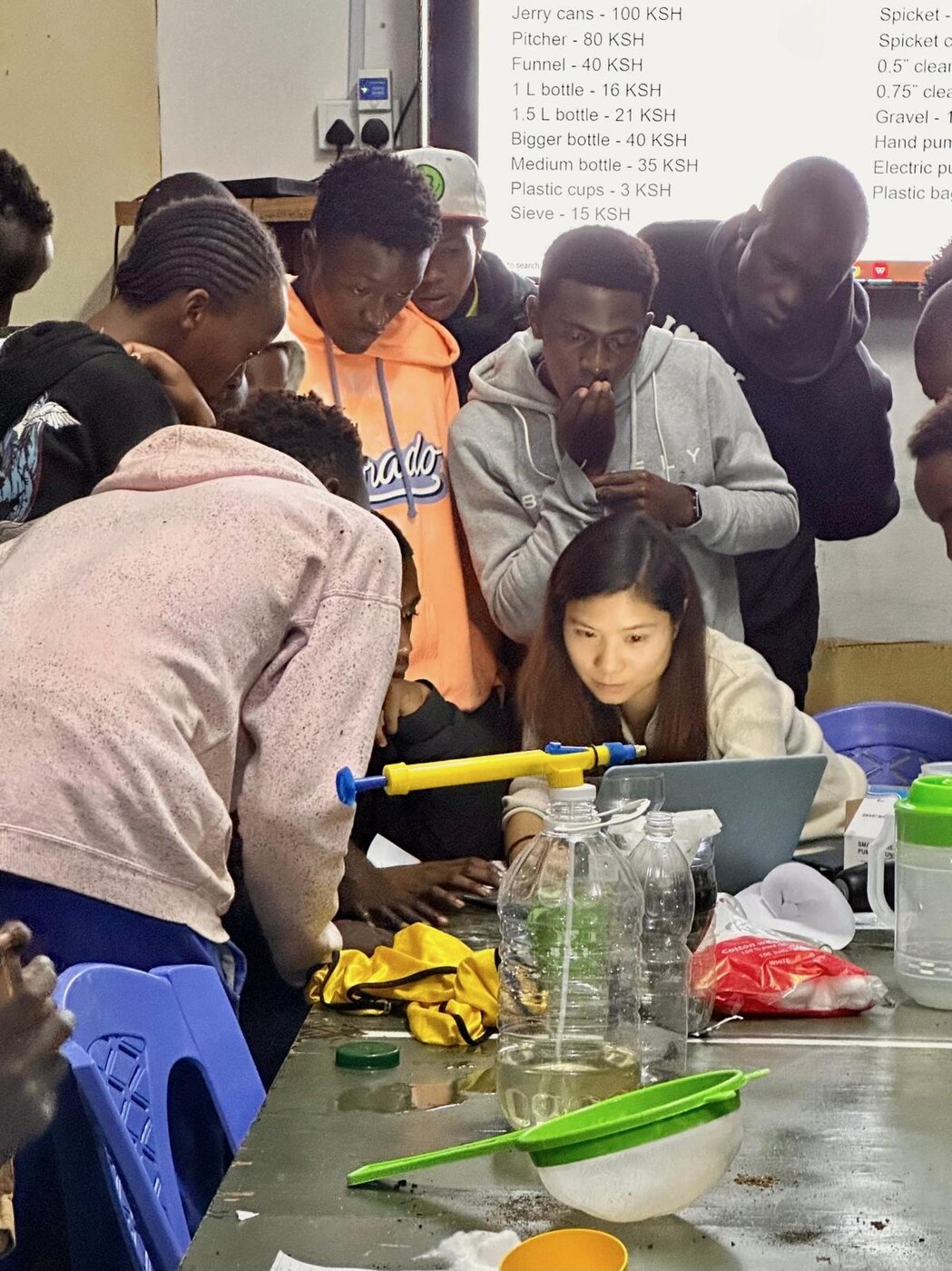
Wezesha means "to empower" in Swahili. Karis helped found the organization on a return trip to Kenya, after running a structured brainstorming process with a Kenyan-led team. The question at the center: what does Kasarani most need? The answer came from the Kenyans in the room. "The education resources that rich kids get. We want the same."
Out of that answer came Wezesha — not a school, but an education center. Students stay in the local government schools, because pulling them out would create two tiers and disempower the institutions those communities depend on. Instead: a safe place to study, teachers to fill curriculum gaps, food for children who are malnourished, and the structure of a family for youth whose home situations are deeply difficult. The team rented a facility, renovated it, hired a director and teachers, and identified the most vulnerable students in Kasarani — many of whom could not have attended school at all without support. The organization was operational within weeks.
The founding team included Rachel, a missionary who had previously founded a university in Uganda; Moses, a medical doctor and clinical psychologist in Nairobi; and the TAFA leadership. Wezesha hired two clinical psychologists, Sarah and Faith, and established a free mental health service for every child in the program — the only program of its kind in Kasarani.
Today Wezesha is led by its Kenyan team. Karis volunteers with them; she is on WhatsApp with Kasarani every morning. The Hope Fund makes grants supporting Wezesha's ongoing programs. Karis recuses from any Hope Fund board vote affecting Wezesha.
In every grade Wezesha serves — 6th through 11th — the top student at Loldia Primary School and St. Andrews High School is a Wezesha student. In some grades, the top two or three are.
These are the most disadvantaged students in the community — many could not have attended school without Wezesha. They are now the highest-performing students in schools of thousands.
A football academy that has educated and mentored Kenyan youth for years.
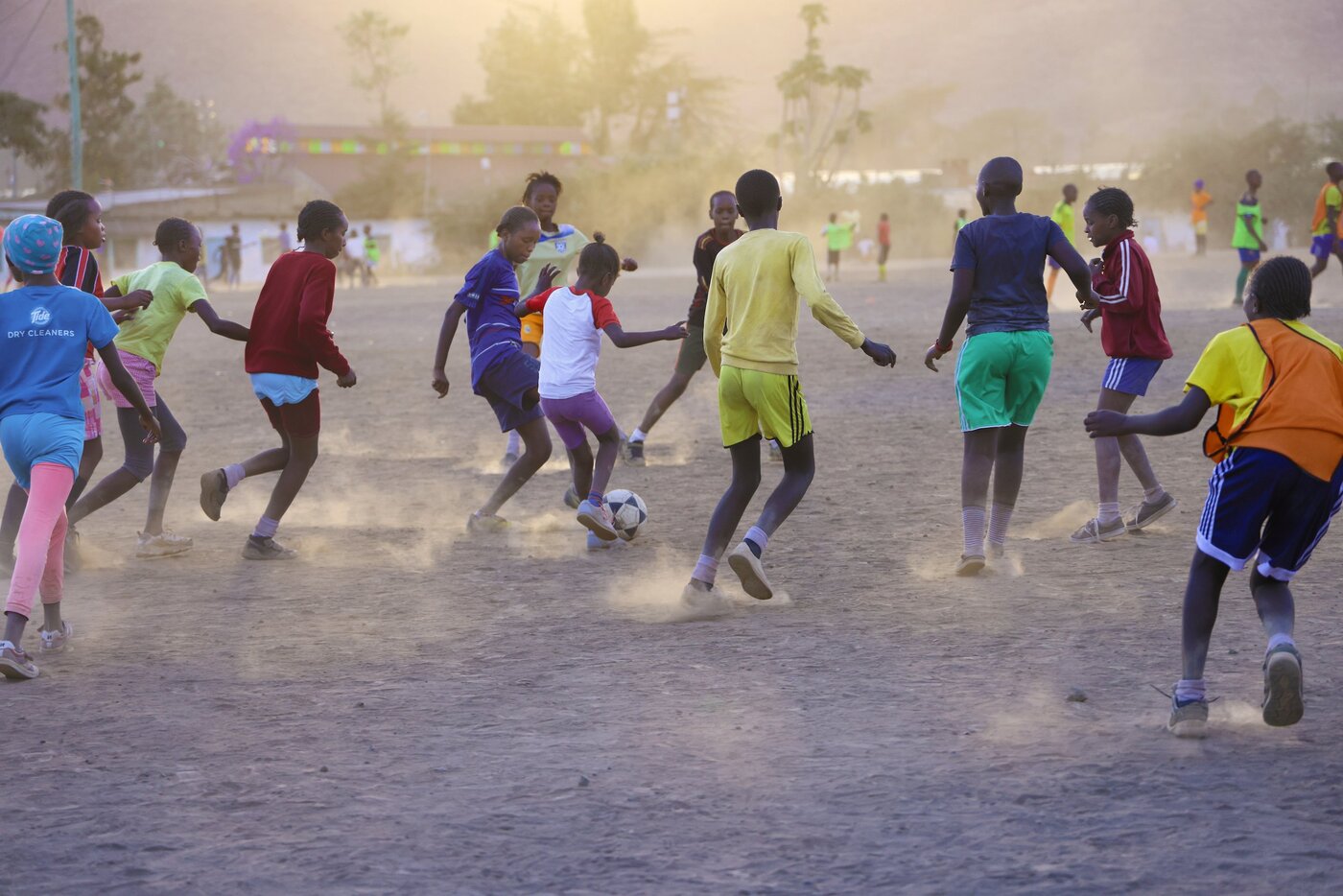
Talanta means "talent" in Swahili. TAFA was founded by Sammy Kamau, Eric Ochieng, and Judy Akoth — three people who had grown up in Kasarani, witnessed what poverty does to children and youth, and decided to do something about it. Judy later passed away; her memory lives in the work that continues. What started as a football academy has grown into a community-based organization built on three pillars: skills development through sport and vocational training, academic support through TAFA Academics tutoring and mentorship, and behavioral change through counseling, spiritual nurture, and a community center that gives young people a safe place to belong.
TAFA's "no school, no football" model has kept hundreds of children in school. The condition for participation is simple: stay in school and stay away from drugs. That requirement has driven results that go far beyond football. Young people who come for the pitch stay for the mentorship. The TAFA Community Center serves as a library, computer room, and refuge — a place that, for many, is closer to home than anywhere else.
Karis encountered TAFA on her first trip to Kenya and recognized immediately what it was and what it needed. She helped TAFA professionalize its operations and set up proper accounting systems. She later helped found the Talanta Africa Fund — a US 501(c)(3) — specifically to build the financial infrastructure to sustain TAFA's work and fund scholarships. More than 100 students have been supported through Talanta Africa Fund. Today, the Karis Hope Fund champions TAFA's work; any future grant from the Hope Fund to TAFA or to TAF is decided by the Hope Fund's independent board, with recusal of any director who has a material role with the recipient.
A women's livelihood enterprise providing economic opportunity through beekeeping in Kenya.
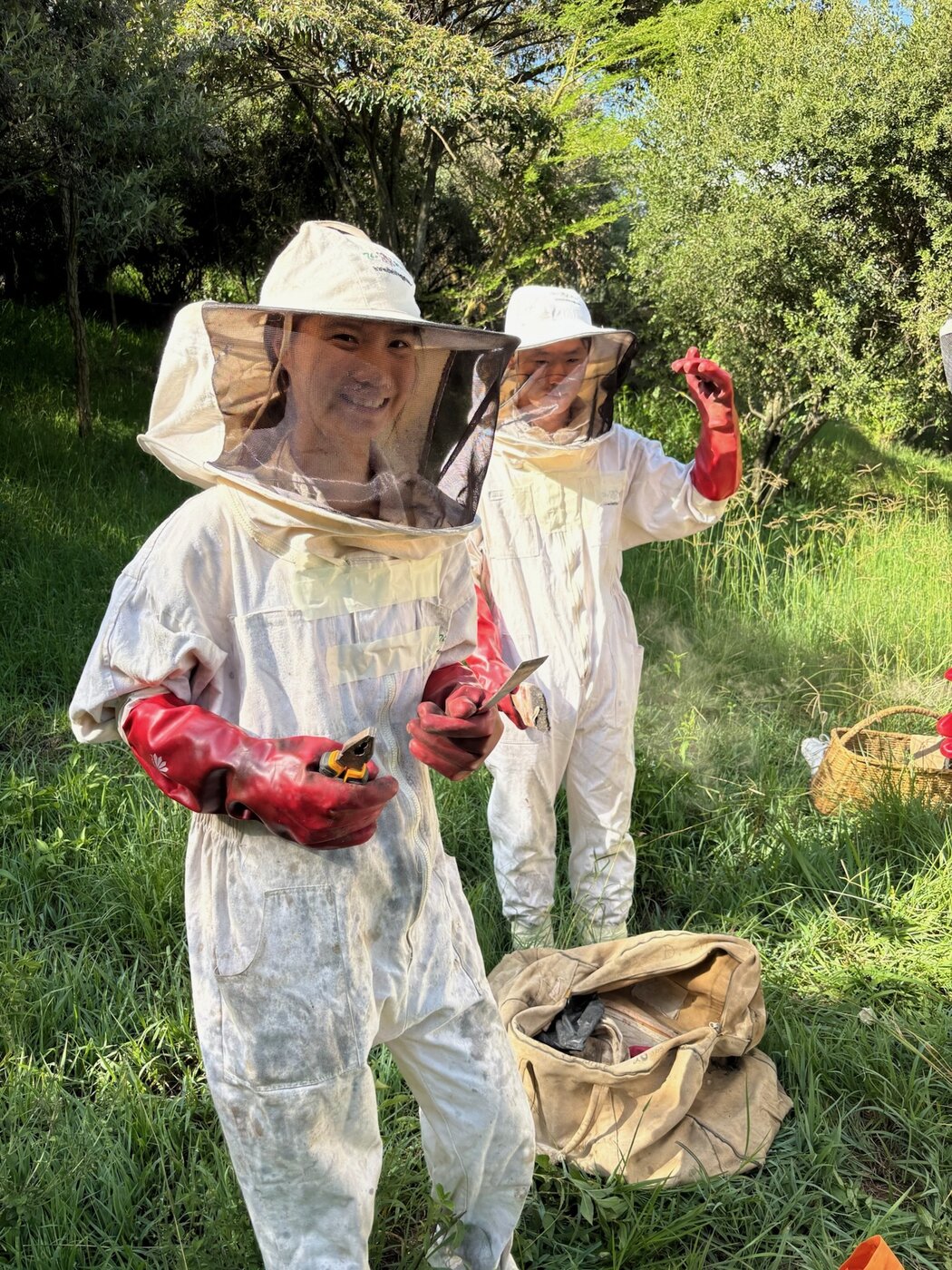
Karis recognized a gap beyond education: the women in the community needed economic pathways. With local women, she helped launch a beekeeping cooperative producing pure Kenyan honey and honey-based lip balm for the US market. Beekeeping, it turns out, is also associated with environmental restoration — bee populations in this region of Kenya are indigenous and important to the ecosystem. By building hives where bees belong, the project helps restore pollination in the surrounding landscape.
Today, Bee the Change operates under the umbrella of the Talanta Africa Fund — the US 501(c)(3) Karis helped found to support TAFA. Plans are underway for Bee the Change to be registered as its own independent Kenyan community-based organization, at which point the Hope Fund's board will consider a direct grant. As with Wezesha and TAFA, Karis would recuse from that vote.
Every product sold creates income for a woman in Kasarani who is building independence and stability for her family.
Legal advocacy and access-to-justice work for vulnerable communities — new initiatives the Hope Fund is bringing into being. Two are currently under formation: a worker-justice partnership in Kenya and a cancer-rights initiative at Stanford.
A new Hope Fund initiative bringing legal protections to flower-farm workers in Kenya.
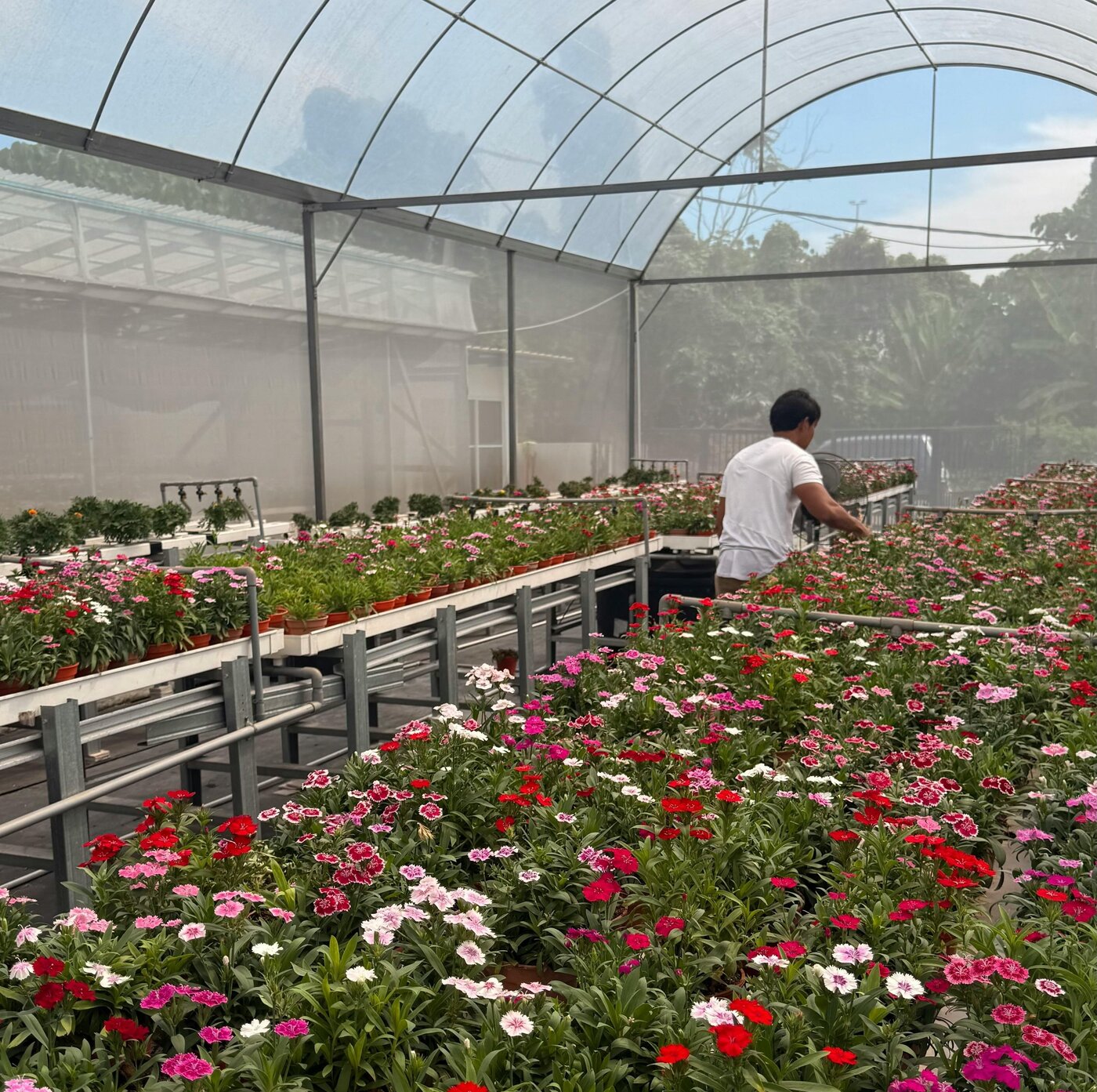
Every Valentine's Day, millions of roses are bought as tokens of love. Most were picked by women in Naivasha on large commercial flower farms. Kenyan law provides these workers with occupational protections. In practice, those protections exist on paper only — the legal system is too distant, too expensive, and too complex to reach.
The Hope Fund is developing a partnership to change that. Karis, working alongside a Stanford Law professor, has been helping identify the right Kenyan legal-aid partner organization — a Kenyan-led organization with the standing, capacity, and legal infrastructure to take specific worker injuries (chemical exposure, dismissal without cause, denial of statutory protections) and pursue them through the courts and regulators that already exist on paper. Karis drafted the first version of the legal proposal during her own chemotherapy.
The Fund's grant, once the partner is identified and a formal agreement is in place, will support the pilot's first year: case research and documentation, legal-aid partner operations, and the work of advancing one or two cases far enough to demonstrate the model. If it works, the framework is replicable across other supply chains — flowers, tea, coffee — wherever workers have rights on paper that the legal system fails to deliver.
A new Hope Fund initiative bringing legal-financial navigation to cancer patients facing insurance denials and disability claims.
When Karis was told her chemotherapy had stopped working, she and her family navigated insurance questions, radiation options, fertility decisions, and clinical trial complexity — simultaneously, in real time, during treatment. They had the knowledge and legal literacy to do it. Most cancer patients facing the same decisions do not.
The gap between what medicine can offer and what insurance will pay for is not a medical gap. It is a gap a lawyer can close. The Hope Fund is building Cancer Rights at Stanford to close it: a new initiative bringing free legal-financial navigation services to cancer patients in the Stanford area — insurance denials, disability claims, employment law, the practical legal complexity of being seriously ill.
The Hope Fund is developing a partnership with an established national 501(c)(3) that has been providing this kind of navigation to cancer patients for years. Their model works. It is chronically underfunded. The Hope Fund's grant will help bring those services to Stanford-area patients walking the path Karis is walking now. The partner organization will be named publicly when the partnership is formalized. Karis intends to volunteer as an unpaid advocate. The Fund's board will decide the grant; Karis will recuse.
The Hope Fund's general unrestricted giving — board-directed grants in the spirit of Karis Tai's values, supporting organizations and causes advancing the dignity of vulnerable people, wherever the board identifies need and opportunity.
Mission fit. Grants advance the dignity of vulnerable people — legal advocacy, education, justice, or human-rights work — consistent with the Hope Fund's charitable purposes.
Board-decided. Every grant is approved by the Hope Fund's independent board. Any director with a material relationship to a proposed grantee recuses.
Full transparency. Every grant reported publicly — recipient, amount, purpose, and outcome — in the Fund's quarterly reports.
Some of the most important work is the work that finds you. Karis went to night court in New York at eleven o'clock on a Friday because she could not stop herself. She helped found Wezesha because she saw a gap and assembled people who could begin filling it. She drafted a legal proposal for Kenyan flower-farm workers during chemotherapy because the work needed doing.
Some of the most important grants will be the same. The Grace in Action Fund is the unrestricted portion of the Hope Fund, reserved for the work the board identifies as urgent and meaningful but that does not yet fall within an active named initiative — a specific case, an emerging organization, or a cause that has not yet found an advocate. The board makes the call. Karis brings proposals like any director, and recuses where she has a material role.
It is built around how this kind of work actually moves through the world. Justice work tends to find its own shape, and the Fund leaves room for that.
The Karis Hope Fund publishes regular grant reports describing every grant made, by recipient, amount, and outcome. The board reviews and approves all reports before publication.
Grants to Wezesha and TAFA reported by recipient, amount, and program milestones. Reported quarterly.
Status of the Worker Justice partnership and Cancer Rights at Stanford initiatives, including partner organizations identified, grants made, and outcomes.
Every board-directed unrestricted grant reported by recipient, amount, purpose, and outcome — publicly, no exceptions.
The Karis Hope Fund supports established work like Wezesha and TAFA in Kenya, develops new initiatives in justice — Worker Justice in Naivasha, Cancer Rights at Stanford — and directs unrestricted Grace in Action grants to organizations and causes the board identifies as urgent and aligned with the Fund's purposes. The Fund is governed by an independent board. Donations are tax-deductible to the extent allowed by law (federal recognition pending).
She has always believed that privilege is a gift you owe to others. She learned it from her parents at nine years old, on a flight with an abandoned baby. She has practiced it her whole life. The Hope Fund is the structure that lets a community of people stand behind that work and carry it forward together.