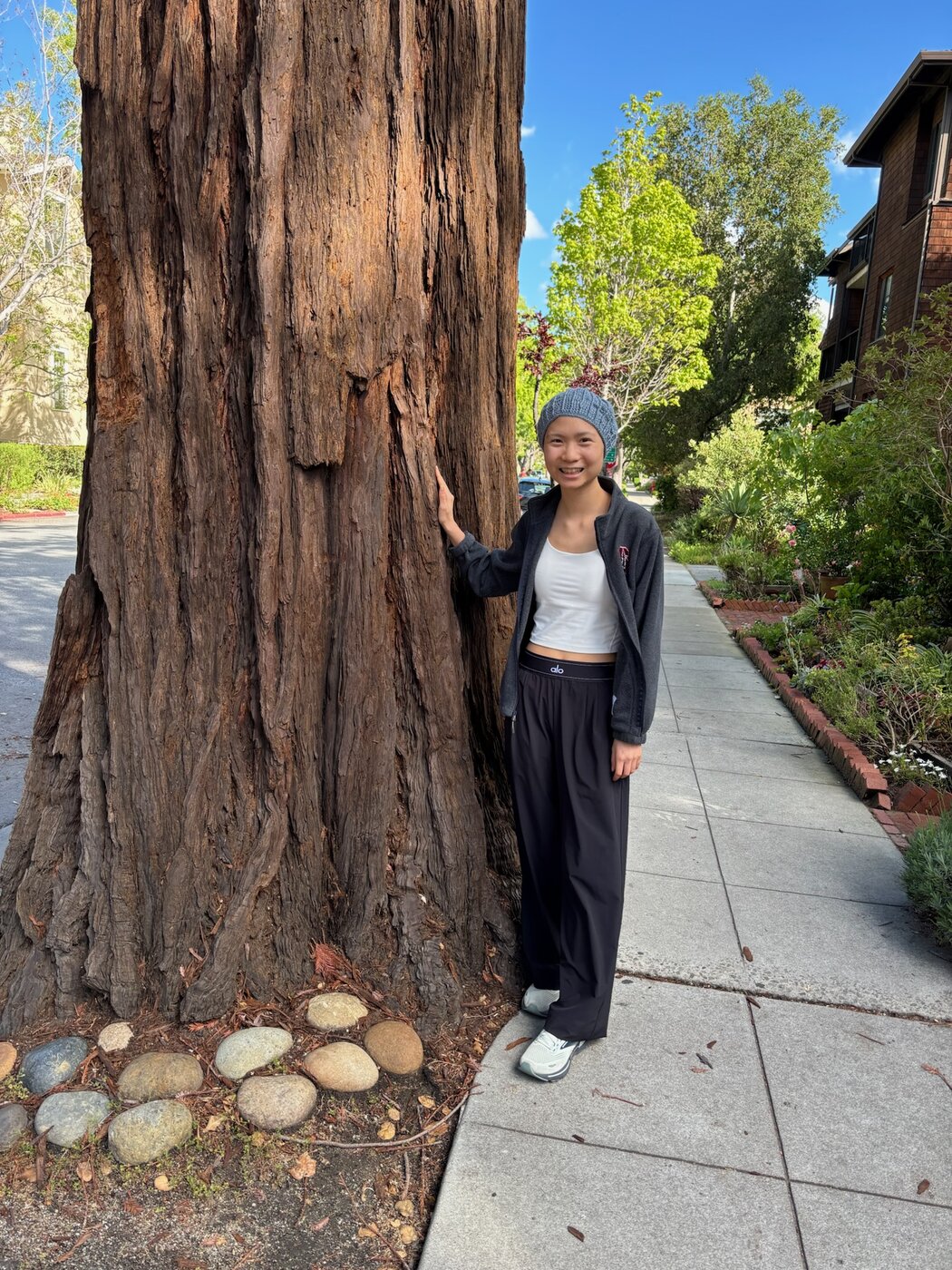
She learned early that privilege
was not a possession.
It was a responsibility.
Karis grew up in Shanghai inside the work of the Baobei Foundation, which her parents ran without salary to help orphaned infants with life-threatening conditions receive surgery and find families.
When Karis was nine, her family found a 4.9-pound infant named Anastasia — Greek for "new life" — at a rural Chinese hospital and arranged emergency transport to Shanghai.
The pilot of their flight said he could not have a corpse on his plane.
They begged him to let her stay.
Anastasia survived. She was later adopted. She is Karis's sister, known as Ana. Karis was nine years old when she watched her family fight for a baby who did not legally exist. She has been doing some version of that work ever since.
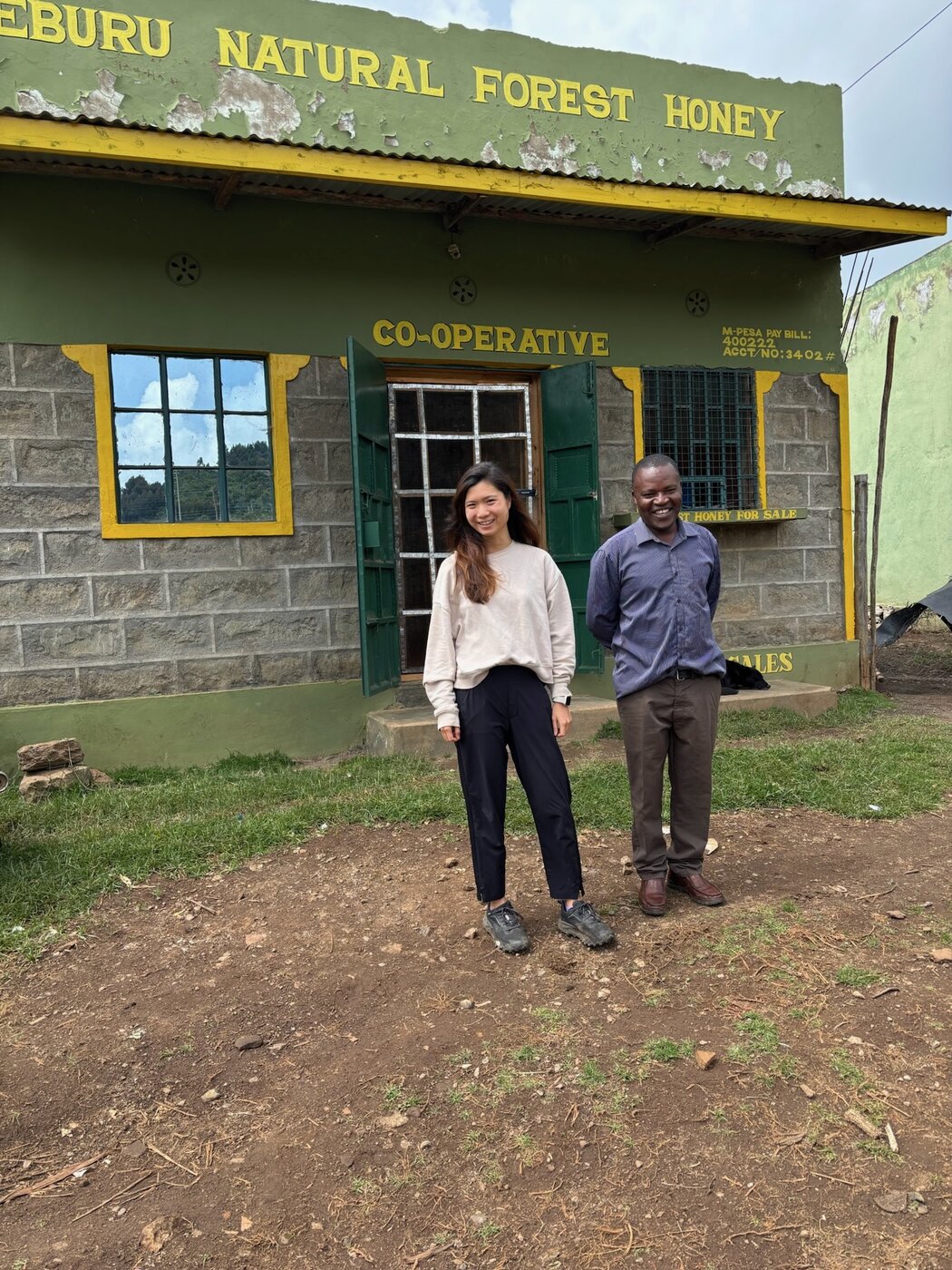
At sixteen, Karis gave a TEDx talk challenging privileged students to treat opportunity as responsibility. At Harvard, she studied the systems that leave people out. At McKinsey, she worked on public-sector and social-impact problems at scale. Then she moved from analysis to building: scholarships, mental-health support, youth leadership, and community enterprises across Kenya.
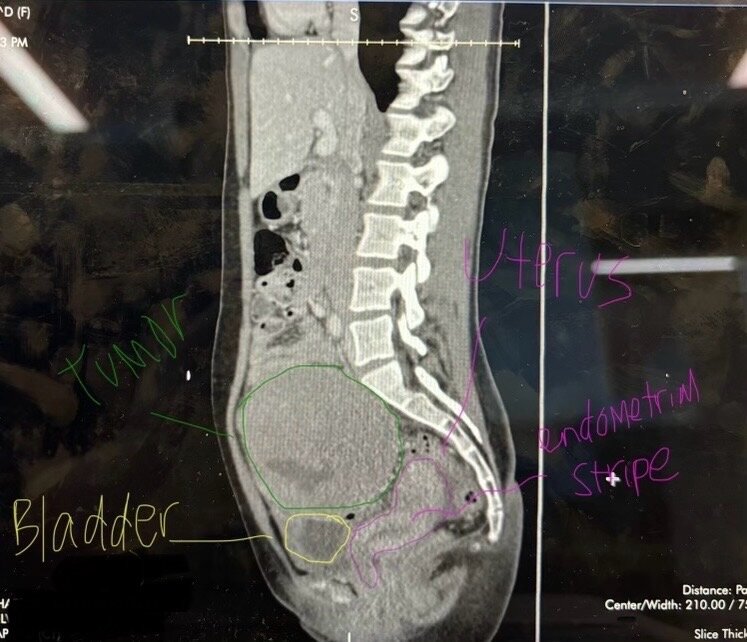
Then she got sick — and she has not stopped. During her own chemotherapy, Karis has been drafting a legal proposal for Kenyan flower-farm workers and helping shape new initiatives the Hope Fund is now developing. The Karis Hope Fund was formed in early 2026 around a simple principle: that the kind of work she has spent her life championing should not stop because she got cancer. Karis helped shape it with her family and supporters; she serves as one of six directors. The Fund makes grants to qualifying charitable organizations and develops new initiatives in education, justice, and dignity for vulnerable people — guided by an independent board, in the spirit Karis has lived.